
How to Plan a Multi-Destination Trip Properly
Multi-destination travel is often where a trip becomes either exceptional — or overwhelming.
The idea of combining places is appealing. Different landscapes, cultures, and experiences within one journey. But without the right structure, it can quickly feel rushed, disjointed, and ultimately less enjoyable than expected.
The difference lies not in where you go, but in how the journey is put together.

Uluru, NT, Australia
Why Trying to See Too Much Doesn’t Work
One of the most common mistakes is trying to include too many stops. On paper, it can feel productive — fitting in as much as possible. In reality, it often results in more time spent in transit than actually experiencing each place. Travel should feel immersive, not like a series of arrivals and departures.
A well-designed itinerary focuses on fewer locations, allowing each one to be experienced properly — with time to settle, explore, and enjoy the pace of the destination.
Pace Is Everything
Pace is one of the most overlooked elements of travel. Some destinations naturally lend themselves to slower stays — coastal regions, safari lodges, or more remote landscapes. Others, such as cities, can be experienced at a slightly quicker pace.
Balancing this is key.
A journey that moves from a city into a more relaxed setting often feels more natural than one that maintains the same pace throughout. It allows for contrast, and ensures the trip doesn’t feel one-dimensional.
Geography Matters More Than You Think
A well-planned route should feel logical. This sounds simple, but it’s often where itineraries fall apart — particularly when they are built around inspiration rather than geography.
Combining destinations that sit naturally together reduces travel time and avoids unnecessary backtracking. It also makes the journey feel seamless, rather than fragmented. For example, pairing regions within Australia, road tripping through Iceland or combining a safari with a nearby coastline, works far more effectively than trying to cover distant locations in one trip.
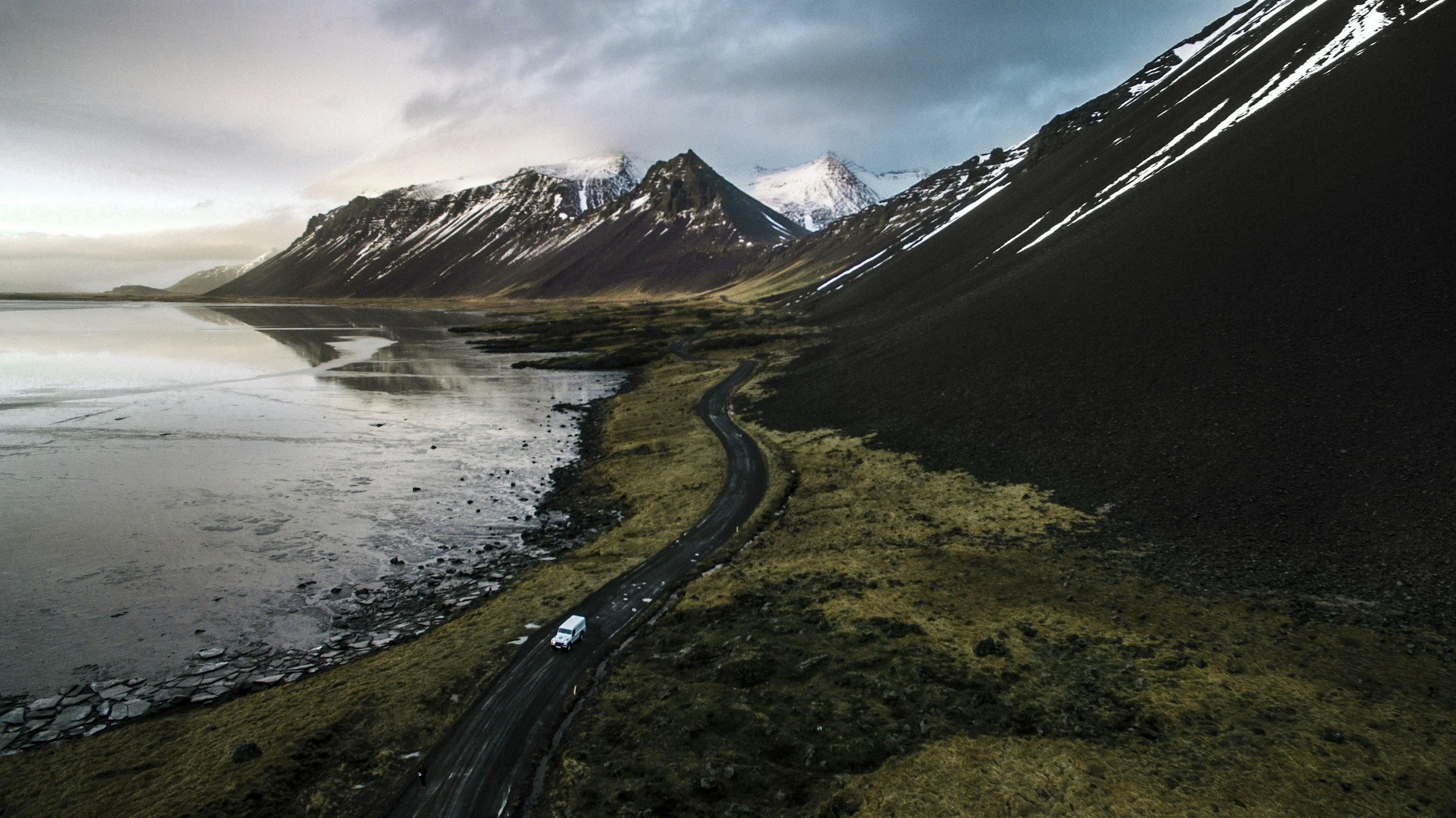
A road trip through Iceland
The Importance of Contrast
The most memorable journeys are rarely built around similar places.
Instead, they are shaped by contrast — combining different environments, experiences, and rhythms.
This might mean:
a city followed by a remote landscape
a cultural destination paired with time by the coast
a more active experience balanced with something slower
It is this variation that creates a sense of flow throughout the trip, rather than repetition.
Timing Shapes the Experience
When you travel is just as important as where you go.
Different regions come into their own at different times of year, and trying to combine destinations without considering this can affect the overall experience. A well-structured journey works with the seasons, not against them — ensuring each location is visited at the right time. This is particularly important in destinations such as Australia, where climate varies significantly by region.
When Multi-Destination Travel Works Best
When planned properly, combining destinations can create a far richer experience.
Some of the most successful journeys are built around combinations such as:
Australia’s cities, coastline, and outback
a safari experience followed by time on the beach
a cultural city paired with a more relaxed, design-led stay
The key is not the number of places, but how they connect.
If you’re planning a multi-destination trip, we would be delighted to help shape a journey that feels balanced, seamless, and properly considered from the outset.

Blue Mountains National Park, NSW, Australia